
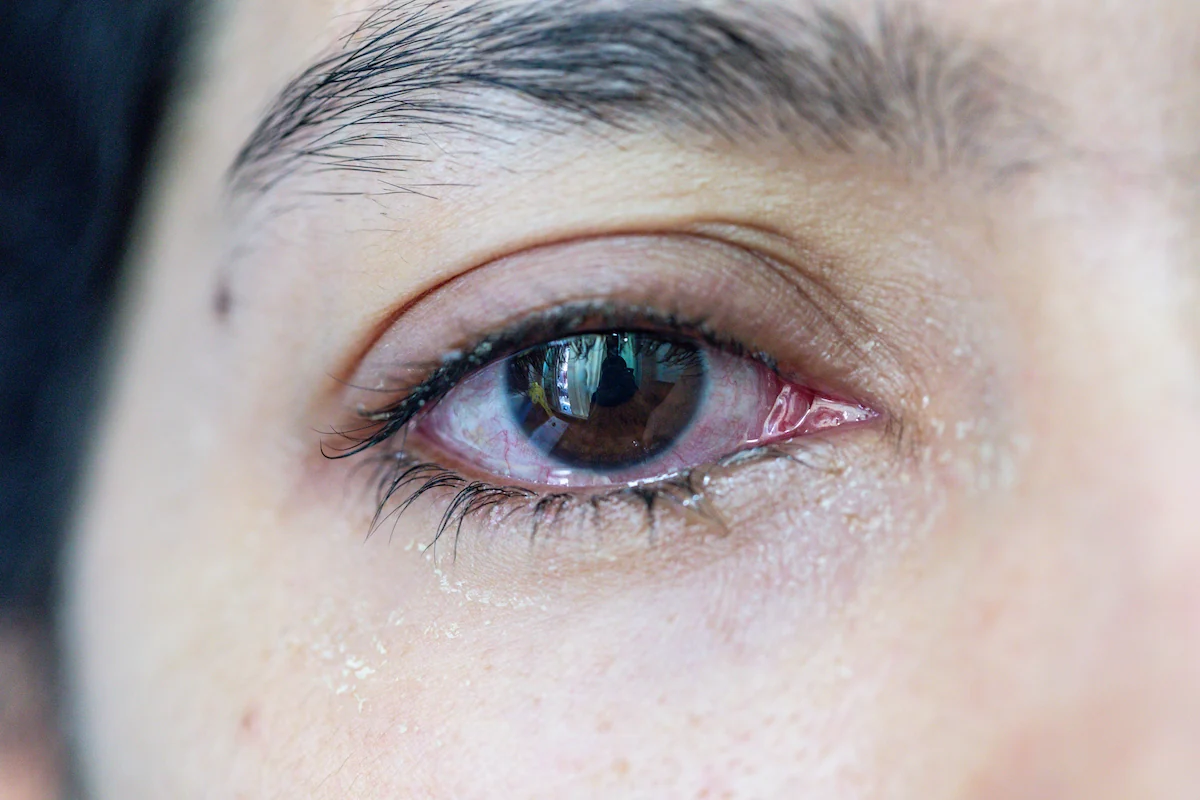
Watery eyes and dry eye may sound like opposites, but they often occur together. When the surface of your eyes becomes dry or irritated, your body may respond by producing extra tears. Unfortunately, those tears may not have the quality needed to keep your eyes comfortably lubricated. Dry eye treatment in Tazewell and Lebanon can help identify why your eyes are tearing and develop a plan to address the underlying cause.
Why do dry eyes sometimes water?
Dryness can trigger reflex tearing. When your eyes detect irritation, the tear glands may release a large amount of watery tears to protect the eye’s surface.
These reflex tears can briefly spill over or make your eyes feel watery, but they may lack the oils and mucus needed to form a stable tear film. As a result, the moisture can evaporate quickly, leaving your eyes dry, gritty, burning, or uncomfortable again.
Dry eye may involve poor tear quality, inadequate tear production, or both. Common contributors include:
- Extended screen time and less frequent blinking
- Contact lens wear
- Aging and hormonal changes
- Wind, smoke, dry indoor air, or seasonal allergies
- Certain medications
- Eyelid or oil gland issues
What other symptoms can occur with watery dry eyes?
Dry eye does not always look like obvious redness or a lack of tears. Symptoms can vary throughout the day and may affect one or both eyes.
In addition to tearing, you might notice:
- A scratchy, sandy, or burning sensation
- Blurry vision that improves after blinking
- Redness or light sensitivity
- Eye fatigue while reading, driving, or using a computer
- Contact lenses that no longer feel comfortable
- Stringy mucus around the eyes
Understanding how to tell if you have dry eyes can make it easier to recognize patterns in your symptoms and know when they are more than an occasional annoyance.
Could watery eyes be caused by something else?
Yes. Excess tearing can also happen because of allergies, irritation from an eyelash or other foreign material, an infection, a blocked tear duct, or other eye health concerns. That is why it is important not to assume frequent tearing will resolve with eye drops alone.
An eye doctor can evaluate your symptoms, eye surface, tear film, and overall eye health to determine whether dry eye is involved. An exam can also help rule out other causes of persistent watering, irritation, or vision changes.
Find relief for watery, uncomfortable eyes
Watery eyes can be your body’s response to dryness rather than a sign that your eyes have enough moisture. When tearing comes with burning, grittiness, fluctuating vision, or ongoing discomfort, finding the cause is the first step toward meaningful relief.
We can assess your symptoms and recommend dry eye care based on your specific needs. Schedule a comprehensive eye exam in Tazewell or Lebanon if watery or uncomfortable eyes are affecting your daily routine.