
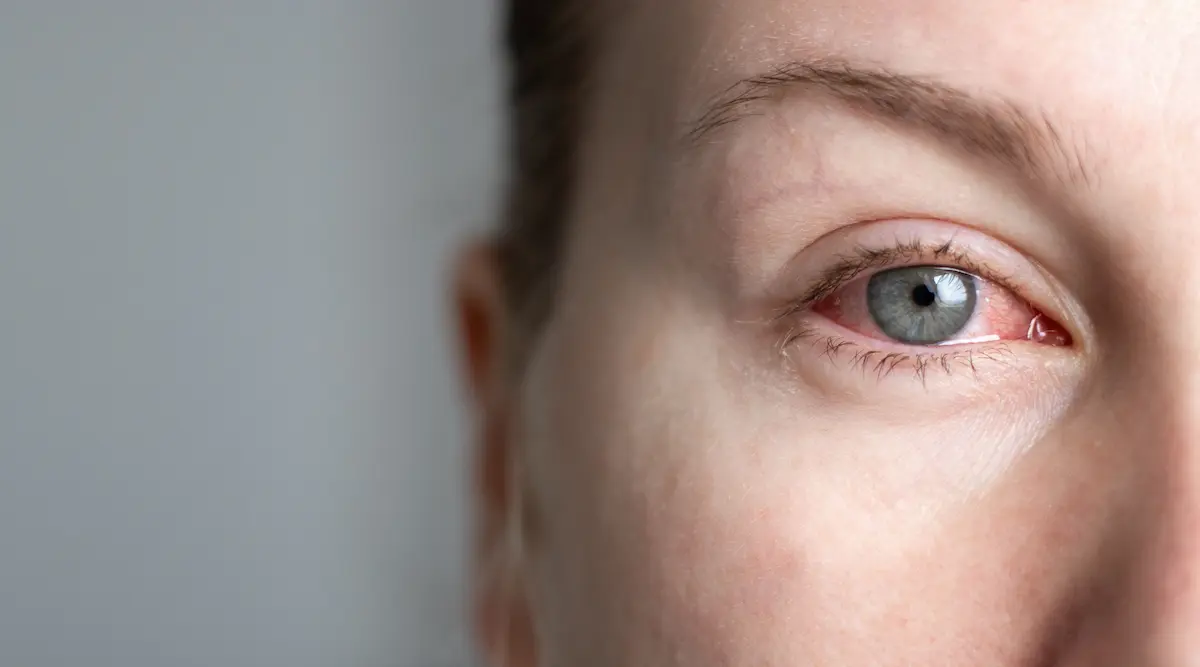
Artificial tears can be helpful for mild, occasional dryness, but they are not always enough for ongoing irritation. If you need drops several times a day or your symptoms keep coming back, dry eye treatment can help identify what is causing your discomfort and what type of care may provide longer-lasting relief.
For patients in Lebanon and the surrounding Southwest Virginia area, dry eye can be affected by everyday factors like seasonal allergies, indoor heating during colder months, screen use, contact lens wear, and time spent in windy or dry environments. When those triggers are paired with an unstable tear film, over-the-counter drops may only provide temporary comfort.
Why don’t artificial tears always fix dry eyes?
Artificial tears add moisture to the surface of the eye, but they do not always treat the underlying reason your eyes are dry. Dry eye can happen when your eyes do not make enough tears, when your tears evaporate too quickly, or when inflammation affects the health of the tear film.
This means symptoms can return quickly after using drops. You may notice:
- Burning, stinging, or scratchy eyes
- Redness or irritation
- Watery eyes, even when your eyes feel dry
- Blurry or fluctuating vision
- Light sensitivity
- Contact lenses feeling uncomfortable
- Eye fatigue after reading or using screens
If you are still trying to determine whether your symptoms match dry eye, knowing the signs that you may have dry eyes can help you better understand what to watch for.
When should you consider dry eye treatment?
You should consider a dry eye evaluation when symptoms are persistent, disruptive, or getting worse. Occasional dryness after a long day on a computer may improve with simple changes, but chronic symptoms often need a more targeted approach.
It may be time to seek care if:
- You use artificial tears every day but still feel uncomfortable
- Your vision clears briefly after blinking or using drops, then blurs again
- Your eyes feel gritty or irritated most days
- You wake up with dryness or burning
- Contact lenses have become harder to tolerate
- Redness, tearing, or sensitivity keeps returning
A comprehensive eye exam can help determine whether your symptoms are related to tear production, oil gland function, eyelid inflammation, allergies, or another eye health concern.
What can help when drops are not enough?
Dry eye treatment depends on the cause. For some patients, the goal is to improve tear quality. For others, it may be to reduce inflammation, improve eyelid hygiene, or help tears stay on the eyes longer.
Depending on your needs, treatment recommendations may include:
- Lifestyle changes for screen habits, hydration, or indoor air quality
- Warm compresses or lid hygiene routines
- Prescription eye drops to address inflammation
- Changes to contact lens wear or lens type
- Tear-conserving options when appropriate
- Follow-up care to monitor progress and adjust treatment
The right plan should be based on your symptoms, tear film health, and how dry eye is affecting your daily life.
Find longer-lasting relief for dry, irritated eyes
Artificial tears can be a good short-term tool, but they are not the only option. If dry, burning, watery, or blurry eyes are interfering with your comfort, a dry eye evaluation can help uncover the cause and guide treatment that fits your needs. Schedule an appointment to discuss dry eye treatment options.